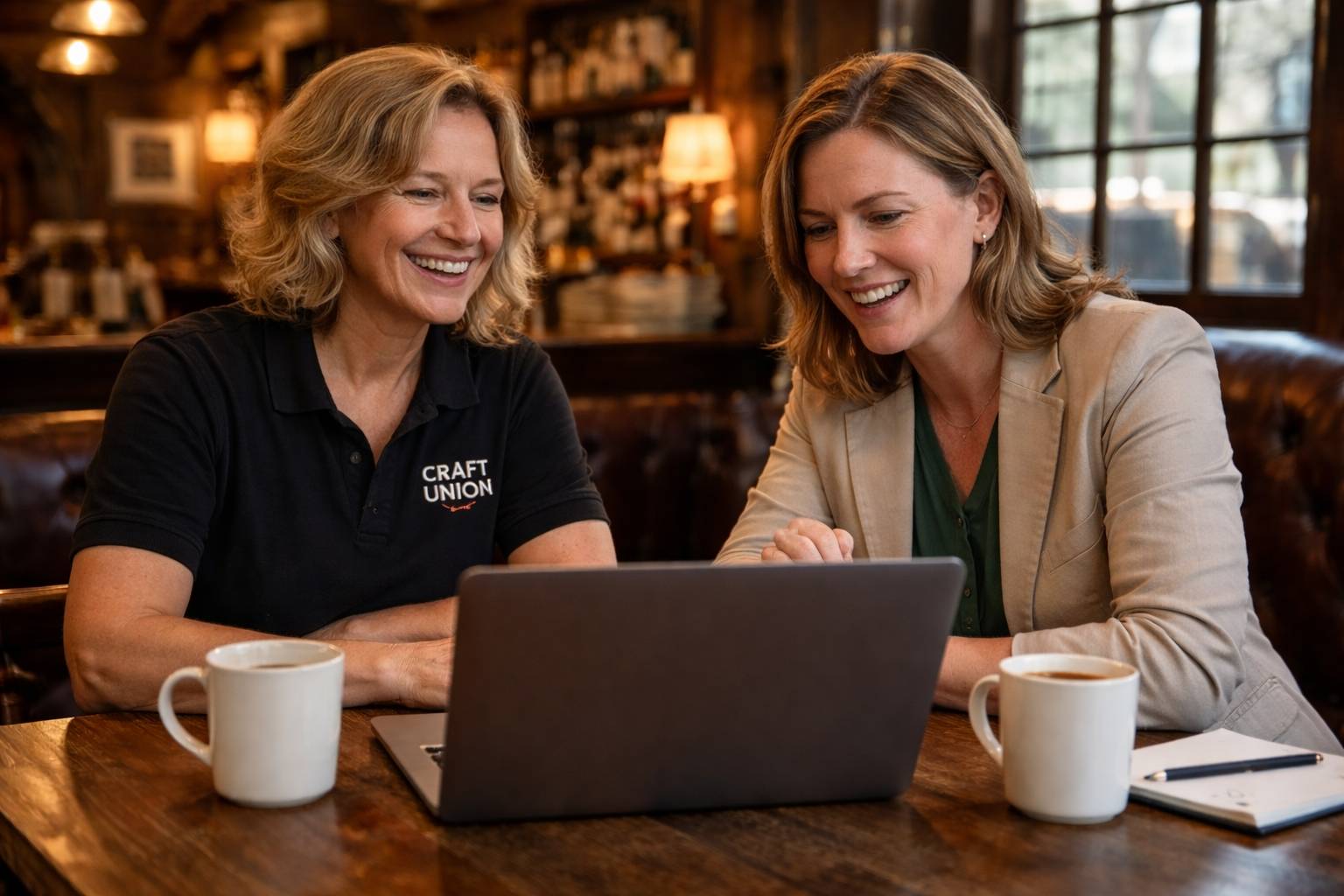
Supporting Without Taking Over: How Regional Managers Work Alongside Operators and Publicans
Running a pub is about independence. It’s about making decisions, shaping a space, and building something that feels truly your own.
That’s why the role of a regional manager isn’t about control — it’s about support.
From a regional manager’s perspective, the goal is simple: to help operators and publicans succeed without taking away their ownership, confidence, or individuality. The best support happens alongside operators, not over them.
Respecting the Operator’s Role
At the heart of every successful pub is an operator who knows their business best.
Regional managers recognise that operators are the ones on the ground every day — understanding their customers, their team, and their community. Support starts with respecting that expertise, not overriding it.
Rather than arriving with ready-made answers, regional managers focus on listening first. Understanding what an operator wants to achieve, what challenges they’re facing, and how they like to work shapes the support that follows.
It’s about collaboration, not instruction.
Acting as a Sounding Board, Not a Decision-Maker
One of the most valuable ways regional managers support operators is by acting as a sounding board.
Operators regularly juggle ideas, concerns, and opportunities. Having someone experienced to talk these through with helps bring clarity and confidence to decision-making.
From a regional manager’s perspective, the role isn’t to decide for the operator, but to help them think through options. Asking the right questions. Offering insight from other pubs. Sharing what’s worked elsewhere — and what hasn’t.
The decision always stays with the operator. The support simply helps them arrive there with confidence.
Sharing Experience Without Imposing It
Regional managers work across multiple pubs, communities, and operators. That breadth of experience is valuable — but only when it’s used thoughtfully.
Support comes from sharing knowledge, not imposing it. What works brilliantly in one pub may not suit another, and regional managers understand that no two sites are the same.
By offering examples rather than rules, regional managers allow operators to adapt ideas in ways that fit their pub, their customers, and their style. That flexibility protects individuality while still providing guidance.
Encouraging Confidence and Independence
One of the most rewarding parts of being a regional manager is watching operators grow in confidence.
Support isn’t about creating dependency. In fact, it’s the opposite. By guiding, reassuring, and stepping back when appropriate, regional managers help operators trust their instincts and back their decisions.
As operators gain experience, the support naturally evolves. Early conversations may be more hands-on, while later ones become more strategic. The aim is always to empower operators to run their pub their way, knowing support is there when needed.
Stepping In — But Never Taking Over
There are moments when additional support is needed. Challenging trading periods, unexpected issues, or major changes can feel overwhelming.
In these moments, regional managers step in — but never take over.
Support might mean helping an operator prioritise, sense-checking plans, or offering reassurance during stressful periods. It might mean being present, listening, and helping break big problems into manageable steps.
Even then, the operator remains in control. The role of the regional manager is to support the process, not replace it.
Understanding That Every Pub Is Different
From a regional manager’s point of view, one of the most important things to understand is that every pub operates within its own context.
Local communities, customer expectations, pub styles, and operator experience all vary. Effective support reflects this.
Rather than applying a one-size-fits-all approach, regional managers tailor their support to the individual pub. What works for a food-led site may not suit a wet-led community pub. What supports a first-time operator may differ from what an experienced publican needs.
That adaptability ensures support feels helpful, not restrictive.
Balancing Performance With Humanity
Regional managers are responsible for performance — but they’re also working with people.
Supporting without taking over means recognising the human side of running a pub. It means understanding pressure, workload, and the realities of the role.
From a regional manager’s perspective, checking in isn’t just about numbers. It’s about how operators are feeling, how they’re coping, and what support would genuinely help.
That human approach builds trust and openness — creating stronger working relationships over time.
Being a Link, Not a Barrier
Another key part of the role is acting as a link between operators and the wider business.
Regional managers help translate information, updates, and changes in a way that feels clear and manageable. They also represent operators’ voices — feeding back what’s happening in pubs and what support is needed.
This two-way communication ensures operators feel informed and included, rather than directed or disconnected.
Building Long-Term Partnerships
From a regional manager’s point of view, the strongest operator relationships are built over time.
Trust grows through consistency, honesty, and mutual respect. As relationships develop, conversations become more open and productive. Operators feel comfortable sharing ideas, challenges, and ambitions.
That partnership mindset helps pubs evolve sustainably — without losing the individuality that makes them successful.
Support That Strengthens, Not Replaces
Supporting operators without taking over is about knowing when to step forward and when to step back.
It’s about providing guidance without control, reassurance without dependency, and experience without expectation.
When done well, this approach allows operators to feel confident, supported, and empowered — running their pub independently, but never in isolation.
Because the most successful pubs aren’t built by taking control away from operators. They’re built by backing them, trusting them, and supporting them every step of the way.